Homeowners in Middlefield, CT tend to face two big questions each heating season: is the oil furnace running safely, and what will it cost to keep it that way? The answer depends on the condition of the equipment, the type of service required, and how well the system has been maintained. As an oil furnace installation company and repair team serving Middlesex County homes for years, Direct Home Services sees the same cost drivers come up again and again. Understanding them helps set a realistic budget, avoid surprise repairs, and time replacements the right way.
How technicians define “service” vs. “repair”
Oil furnace service often describes scheduled maintenance. That includes cleaning the burner assembly and heat exchanger, replacing the oil filter and nozzle, vacuuming the combustion chamber, checking electrodes, testing the cad cell, tuning the draft, and verifying combustion readings. A standard annual oil furnace service visit in Connecticut usually takes 60 to 120 minutes depending on access and condition.
Oil furnace repair is different. That covers no-heat calls, intermittent lockouts, strange odors, soot issues, short cycling, or parts failures. Heat exchanger cracks, burner motor failures, fuel pump leaks, control board faults, and flue problems fall into this category. Repairs vary widely in time and parts cost, so estimates swing more than a routine tune-up.
Oil furnace oil heating services repair & installation is the broader umbrella. Some issues are fixable for hundreds; others indicate it is time to plan an oil furnace install to restore safety and reliability. The best oil furnace repair near me queries often lead to a technician who can diagnose quickly, stock common parts on the truck, and give a clear “repair vs. replace” path so the homeowner can decide with full price transparency.
Typical price ranges homeowners in Middlefield can expect
While every house is different, most oil heating services in the area fall into familiar ranges. These are local observations based on common parts pricing and labor in Connecticut:
- Annual oil heat maintenance with cleaning, nozzle and filter swap, and combustion test: often $199 to $399 depending on system type, access, and filter/nozzle sizes. Older or sooted systems can take longer and cost more. After-hours diagnostic for a no-heat call: expect a higher service fee, often $189 to $289 for nights or weekends, plus labor and parts. Common heating oil furnace repair parts: primary control $150 to $350 installed, ignition transformer or ignitor $175 to $375 installed, oil pump $300 to $600 installed, burner motor $350 to $650 installed, expansion tank or relief valve $200 to $450 installed, circulator pump $300 to $700 installed. Prices reflect typical Connecticut labor and reputable parts, not the cheapest imports. Chimney liner or venting corrections when needed for safe draft: anywhere from $600 into the low thousands, depending on chimney height and liner type. Full oil furnace install or replacement: widely variable. Many Middlefield, CT homes see installed costs ranging from $4,500 to $9,500 for a like-for-like oil furnace replacement. High-efficiency models, complex venting, or ductwork changes can push above $10,000. Choosing among oil furnace installation companies should include a site visit and a written scope that explains duct, flue, and control details so there are no surprises.
These figures help frame expectations. The exact oil furnace services cost depends on the factors below.
The age and condition of the furnace
Age matters because it affects efficiency, parts availability, and time on site. A 25-year-old unit may run safely after a deep cleaning, but the technician might need to adjust or replace original components that newer systems do not use. Electrodes can be finicky, cad cells may read poorly due to soot buildup, and burner air settings can drift after years of service. That adds labor time and can push a routine oil furnace service higher.
On the repair side, older furnaces frequently show patterns: intermittent lockouts from weak ignitors, leaking oil pump seals, and draft issues from deteriorated chimney liners. Each repair may be reasonable on its own, but repeated visits during one season can outstrip the value of a planned replacement. A frank conversation about total spend over the next two winters is worth having once the furnace passes 20 years of service.
Parts availability and brand specifics
Service cost is sensitive to parts availability. Common controls and burner components are easy to source in Connecticut, but some brands or older models rely on discontinued items. If the tech has to hunt a specialty part or order it from out of state, the total cost increases and the repair timeline stretches. That downtime may require temporary space heaters, which creates extra stress for a family during a cold snap.
Brands also influence installation pricing. Some oil furnaces have proprietary controls or dimensions that do not match a standard plenum. That can lead to extra sheet metal work during an oil furnace install, especially in tight basements typical of older Middlefield homes. If duct adapters, new flue takeoffs, or custom transition pieces are required, labor increases accordingly.
Efficiency, combustion, and draft conditions
Combustion quality drives both performance and the price of oil heating services. A furnace with clean combustion and good draft is straightforward to tune. A sooted heat exchanger or a blocked flue slows the process and may require additional cleaning tools, brushes, and extra time.
Techs measure stack temperature, O2, CO2, and smoke to set air and nozzle parameters. A baseline visit with poor readings typically costs more because it involves extensive cleaning to address cause, not just symptom. In multifamily homes with shared chimneys, draft corrections can be essential and affect the total oil furnace services cost if liners or barometric dampers need replacement.
Access and installation complexity
Basement layout matters. A unit tucked behind shelving, water treatment tanks, or a maze of low joists takes longer to work on. Moving the burner or blower assembly for service may require extra steps. If a replacement is planned, getting the old furnace out and the new one in can dictate crew size and lift equipment.
On installations, venting path, oil line routing, and proximity to the tank make a difference. Many Middlefield homes have older single-pipe oil lines that suffer from vacuum issues or sludge. Converting to a two-pipe setup or adding a tiger loop adds parts and labor. If the oil tank is in a crawlspace or outdoors, the project scope often includes line upgrades, firematic valve checks, and filter relocations to keep the system within code and improve reliability.
Fuel quality and tank condition
Sludge, water, and microbial growth in the tank affect service cost. Poor fuel quality fouls nozzles and filters and can cause burner lockouts. If the tech sees recurring nozzle clogging or heavy filter debris, the solution may be a tank draw-down and cleaning, a new filtration setup, or even a tank replacement. Those decisions carry cost, but they prevent repetitive service calls that add up quickly.
Also, underground oil tanks or older steel tanks can introduce air leaks or debris. A simple gauge replacement or fill whistle fix is minor, but line replacements and tank upgrades carry a larger ticket. A clear evaluation and photos from the field visit help homeowners weigh short-term fixes against long-term stability.
Seasonal timing and emergency response
Service timing changes the price. Pre-season oil heat maintenance in late summer or early fall usually comes at a standard rate, with flexible scheduling. First cold snaps drive a surge in no-heat calls. During those periods, emergency dispatch fees and overtime rates can apply. Response time has value when the home is at 55 degrees and dropping. Many homeowners choose to do annual service in August or September to avoid the crunch and to catch parts issues before they become an emergency.
Warranties and service plans
Manufacturer warranties cover parts for new installs, usually not labor, and only for specified periods. When a furnace is under warranty and registered properly, the service visit may cost less because the part is covered. Service plans offered by an oil heating services provider can also stabilize yearly costs. Plans often include the annual tune-up, priority scheduling, and discounts on repairs. For homes with older equipment, the math usually pencils out in favor of a plan after a single mid-season repair.
Safety issues that take precedence
Some conditions require immediate shutoff and remediation, which affects both cost and scheduling. Oil leaks around the pump, flare fittings that weep under pressure, heavy soot or puffbacks, blocked flues, and cracked heat exchangers all warrant action the same day. In these cases, the tech often performs temporary measures to make the home safe, then provides a written proposal for the full repair or an oil furnace replacement. Safety steps can add to the visit time, but they prevent hazards that no homeowner wants to face.
The repair vs. replace threshold
Direct Home Services applies a practical rule that respects budget and safety. If a single repair costs more than 20 percent of the value of a well-matched replacement, and the furnace is older than 15 to 20 years, replacement deserves a hard look. This is not a sales pitch; it comes from field experience. Repeated ignitor failures, burner motors with bearing noise, and primary control lockouts often occur in clusters. A planned oil furnace install provides a fresh warranty, a quieter unit, and lower fuel usage when set up correctly with proper combustion. It also allows duct sealing, return improvements, and thermostat updates to be bundled efficiently.
A Middlefield family in a ranch over by Lake Beseck recently faced this decision. Their 22-year-old furnace started tripping on reset once a week. First, the nozzle and filter were replaced during a cleaning. Two weeks later the burner motor failed. At that point, the proposal compared a motor replacement plus likely near-term control and pump costs against a mid-efficiency new furnace sized for their ductwork. They chose the new unit. Their fuel use the following winter dropped about 10 to 15 percent, and the system ran quietly through the coldest nights without a single lockout.
Ductwork, airflow, and comfort complaints
Airflow issues are common in older homes. Restricted returns, undersized supply trunks, and closed-off rooms cause poor heat distribution. If the homeowner’s main complaint is that the back bedrooms run 5 to 8 degrees cooler, the technician may recommend duct modifications or zoning. Those fixes sit outside a basic furnace service and change the project scope and cost. Still, spending on airflow can improve comfort and can reduce how hard the furnace needs to run, which shows up as better reliability and lower fuel usage.
Add-ons that influence total project price
A straight swap is one number; an upgraded system is another. Homeowners often consider:
- High-efficiency burners or advanced primary controls that improve flame stability and diagnostics. Programmable or smart thermostats for better scheduling and remote checks. Oil safety valves, filter relocations, and new flex connectors for serviceability and code compliance. Chimney liners or sidewall vent adapters for proper draft and reduced soot risk. Condensate handling if moving to higher-efficiency equipment that requires drainage.
Each add-on increases upfront spend but can reduce callbacks and fuel use or improve safety. An experienced oil furnace installation company should line-item these options so the homeowner can choose what matters most.
Local permitting, code, and inspection realities
Connecticut code and local AHJ requirements affect oil furnace installation companies and their pricing. Permits, electrical upgrades for dedicated circuits, smoke and CO detector placement, and combustion air rules add steps many homeowners do not see on day one. For example, a 1960s Middlefield basement might need a dedicated electrical shutoff or upgraded service switch near the furnace. These items do not inflate costs arbitrarily; they prevent unsafe conditions and keep insurance carriers satisfied after a claim.
What makes a service visit go smoothly
Homeowners can control several cost factors by preparing for the visit. Clear a path to the furnace and oil tank. Locate the oil tank fill and vent lines, and have previous service records on hand. Note any recent no-heat events, odors, or soot around supply registers. Share thermostat models and any error codes. These details save diagnostic time and often keep the visit within the lower end of the oil furnace services cost range.
Technicians work faster with good lighting, reasonable access, and a safe, dry area. If the basement floods during heavy rain or the floor near the furnace stays damp, mention it at booking. Moisture introduces corrosion and electrical issues that add time and parts.
Realistic expectations by service type
Standard cleaning on a well-maintained system typically fits a set price, because the tech can predict the parts and time. Tune-ups on neglected systems vary because the first visit may require extra cleaning or multiple passes to get combustion readings within target ranges. No-heat calls follow a different path: diagnostic time plus parts. If the fix is a well-known failure point like a faulty cad cell or a worn ignitor, costs stay moderate. If the issue involves intermittent lockouts due to marginal draft or tank contamination, the visit can expand into venting or fuel corrections.
For installations, the variance comes from duct transitions, flue work, oil line routing, condensate handling, electrical corrections, and code items. A written scope with photos and measurements prevents scope creep and protects both the homeowner and the installer.
How Direct Home Services reduces total cost over the life of the system
The most reliable savings come from steady oil heat maintenance. A clean burn reduces soot that would otherwise insulate the heat exchanger and drive up stack temperatures. Proper draft and air settings cut short cycling. A fresh nozzle sized correctly for the home, not just matched to the old label, improves atomization and keeps combustion stable in cold snaps.
The second lever is honest triage. If a component is marginal and likely to fail within the season, replacing it during the visit usually costs less than an emergency call on a January night. By combining related repairs, travel and diagnostic charges are reduced. That is how a local oil heating services provider keeps costs predictable and fair.
Finally, straightforward proposals for replacements help homeowners plan. If a technician believes a furnace is near the end of its life, they will explain why, show readings or photos, and provide options. Sizing the furnace correctly—based on heat loss, duct capacity, and real supply air temperatures—prevents oversized units that short cycle and waste fuel. That approach trims operating costs and extends component life.
Signs it is time to call
A furnace that runs well is quiet, steady, and odor-free. If the system starts to rattle, if the burner keeps trying to light and fails, or if soot appears around the barometric damper, call for service. Fuel smells near the oil tank or lines are another red flag. Thermostat won’t reach setpoint, upstairs rooms stay cool, or the relief valve starts dripping—these are all reasons to schedule a visit.
Searching for the best oil furnace repair near me in Middlefield will turn up many names. Look for an oil furnace installation company that lists oil heating services plainly, publishes honest ranges for oil furnace services cost, and offers both oil furnace repair & installation with local references.
What homeowners in Middlefield can do now
A quick two-step plan helps control service spending:
- Schedule a preseason maintenance visit if it has been more than a year. Ask for combustion readings in writing and photos of any concerns. If your furnace is over 18 to 20 years old, request a no-pressure replacement quote alongside the tune-up. Compare projected repair costs for the next two winters with the price of an oil furnace install.
That comparison brings clarity. Many households choose to repair and plan for replacement in a specific month, avoiding an emergency purchase and gaining time to weigh equipment choices.
Ready support from a local team
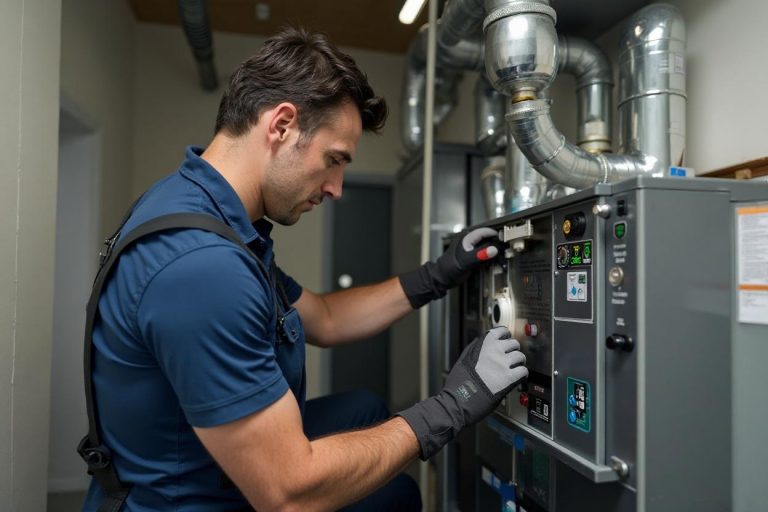
Direct Home Services serves Middlefield, CT and nearby towns with straightforward oil furnace service, heating oil furnace repair, and full replacements. The team carries common parts on the truck, performs true combustion testing, and explains options clearly. Homeowners get practical advice, not guesswork.
Call or book online to schedule oil heat maintenance, request a repair, or get a same-day quote for a replacement. A short visit today can prevent a long night without heat tomorrow—and put firm numbers behind your oil furnace services cost so budgeting is simple.
Direct Home Services provides HVAC repair, replacement, and installation in Middlefield, CT. Our team serves homeowners across Hartford, Tolland, New Haven, and Middlesex counties with energy-efficient heating and cooling systems. We focus on reliable furnace service, air conditioning upgrades, and full HVAC replacements that improve comfort and lower energy use. As local specialists, we deliver dependable results and clear communication on every project. If you are searching for HVAC services near me in Middlefield or surrounding Connecticut towns, Direct Home Services is ready to help.
Direct Home Services
478 Main St
Middlefield,
CT
06455,
USA
Phone: (860) 339-6001
Website: https://directhomecanhelp.com/
Social Media: Facebook | Instagram
Map: Google Maps